
Introduction
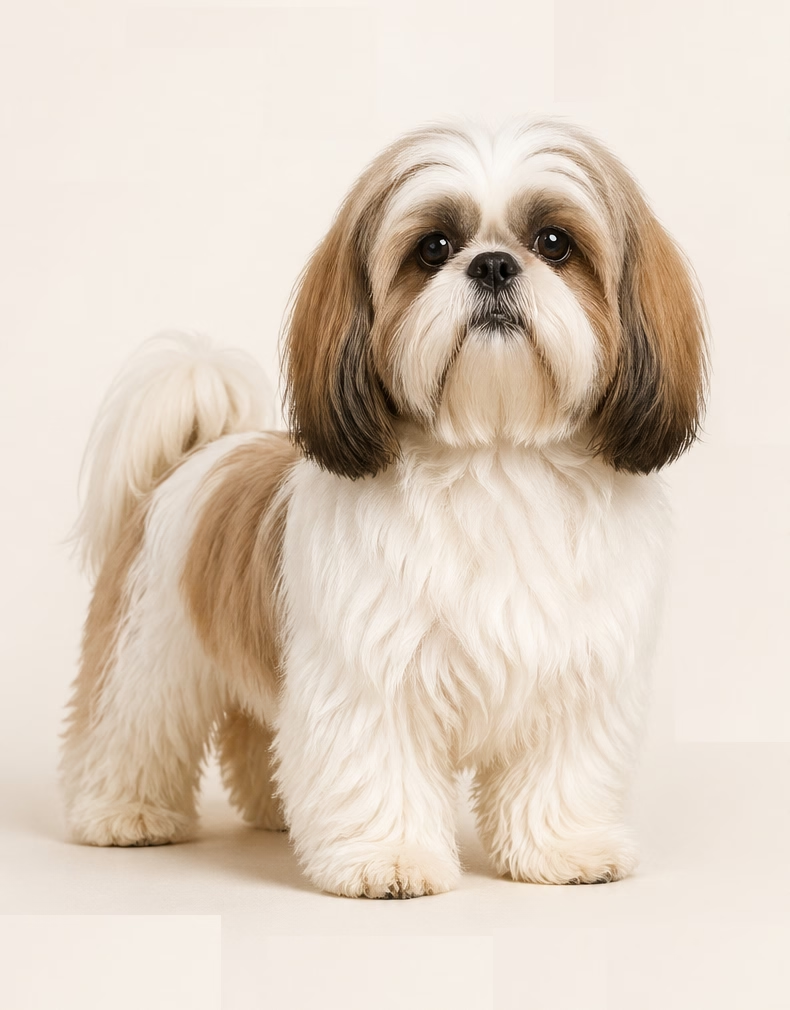
The Shih Tzu is, par excellence, one of the most valued companion breeds today. Its distinctive elegance, arrogant carriage—with the head held high and the tail curved over the back—and affectionate character make it an ideal dog for modern life. Originating from the imperial courts of China, this "lion dog" combines a sacred history with an astonishing capacity to adapt to urban environments. This manual, written from a veterinary-medical and cynological perspective, provides the scientific and practical guidelines necessary to guarantee the well-being of this brachycephalic breed, from its complex anatomy to its geriatric needs.
1. History and Temperament: The Sacred Dog of China
Origin and Historical Relevance
Originating in China, the Shih Tzu was revered for centuries as a sacred animal. Its presence was constant in royal courts, functioning as a symbol of status, elegance, and prestige for the nobility. Physically compact (with a height ranging between 28 and 35 cm), its historical purpose has been strictly that of companionship, which defines its low work demand compared to herding or guardian breeds.
Psychological Profile
Its temperament is fascinating and is defined by the following traits:
- Loyalty and Affection: They are dogs extremely attached to their family core.
- Independence and "Stubbornness": They possess a stubborn nature that requires patience in training.
- Reserved Character: Although they are not aggressive or excessive barkers, they tend to be wary of strangers until a bond is established.
Energy Level and Adaptability
Due to its sedentary nature and low physical maintenance requirements, it is the perfect candidate for apartment living. Its adaptation to the environment is high, provided its thermal and respiratory limits are respected.
2. Brachycephalic Anatomy and Health Challenges
Brachycephalic Airway Obstructive Syndrome (BAOS)
The Shih Tzu possesses a shortened cranial structure ("short head") that compresses the upper airways. As specialists, we must understand that this anatomy is not just aesthetic, but a constant physiological challenge.
Detailed Respiratory Impact
The obstruction of airflow is due to a combination of anomalies:
- Stenotic nares: Narrow nostrils that limit oxygen intake from the start.
- Elongated soft palate: The tissue on the roof of the mouth is too long and partially obstructs the glottis.
- Tracheal hypoplasia: A trachea with a smaller diameter than normal, which makes it difficult for air to pass to the lungs.
- Everted laryngeal saccules: As a consequence of the chronic inspiratory effort to overcome the previous obstructions, the small sacs in the larynx turn outward (evert) into the airway, worsening the respiratory distress.
Ocular Health
Their eyes are prominent due to shallow eye sockets. This exposes them to:
- Keratitis and Conjunctivitis: The mechanical friction of long hair acts as a constant foreign body.
- Care: It is imperative to keep hair away from the face using top knots or specific cuts and to apply natural tears regularly to maintain corneal hydration.
Dental Health
The flat facial structure causes dental crowding in a reduced space. This facilitates the accumulation of bacterial plaque, leading rapidly to periodontal disease and tooth loss if strict prophylactic hygiene is not maintained.
3. Feeding and Specialized Nutrition
Pillar of Health
Nutrition directly impacts coat quality and weight control. Given their slow metabolism and tendency toward a sedentary lifestyle, being overweight exerts dangerous pressure on their respiratory system and joints.
Analysis of Dietary Options
|
Diet Type |
Benefits |
Precautions / Notes |
|
High-End Kibble |
Preserved nutrients. Premium brands cook slowly and at low temperatures. |
Avoid low-end kibble processed at high temperatures, as they suffer thermal degradation of nutrients. |
|
Dehydrated Food |
Human-grade quality. Natural and preservative-free. |
Ideal for specimens with sensitive stomachs or dermatological allergies. |
|
BARF Diet |
Biologically Appropriate Raw Food. Improves digestion and coat shine. |
For greater bacteriological safety, it is recommended to lightly cook the food. Extreme care with poultry bones (risk of splintering). |
Critical Nutrients
- Omega-3: Essential for a healthy skin barrier and a silky coat.
- Glucosamine and Chondroitin: Fundamental nutraceuticals to protect joints against aging.
4. Prevention of Heat Stroke
Thermal Vulnerability
Due to its short muzzle, the Shih Tzu cannot cool the air efficiently through panting. Its thermoregulation capacity is limited, making them frequent victims of hyperthermia.
Warning Signs (Emergency)
- Excessive panting with very loud respiratory noises (stridor).
- Bluish or very red mucous membranes.
- Extreme lethargy or sudden collapse.
Prevention Protocol
- Exclusive use of harness: Never use a collar, as any pressure on the neck can exacerbate airway collapse.
- Hydration and Shade: Constant fresh water and avoid walks between 11:00 and 17:00 in warm climates.
5. Hygiene, Grooming, and Aesthetics
Bathing and the Coat
The Shih Tzu's profuse double coat requires bathing every 1 to 3 weeks. A dirty coat tangles more easily, becoming rough and brittle. Blow-drying is mandatory to avoid moisture at the base that can lead to pyoderma.
Maintenance and Grooming
- Facial Cleaning: It is vital to clean the face with a damp cloth after every meal, removing organic remains that can rot in the folds of the short muzzle.
- Brushing: 2 to 3 times per week. Golden Rule: Never brush dry hair. It should be lightly misted with a hydrating spray to prevent hair breakage from friction.
- Mixed Cutting Technique: The use of clippers is recommended for the body using the occipital bone as the starting mark, always cutting in the direction of the hair. The legs and head are worked with scissors to maintain the characteristic volume and elegance of the breed.
6. Preventive Medicine: Vaccines and Deworming
Suggested Vaccination Schedule (Zoetis Protocol)
Following international WSAVA/AAHA guidelines, the last dose of the initial protocol must be administered at 16 weeks to ensure immunity.
|
Age |
Vaccination / Booster |
Suggested Product |
|
6 weeks |
8-way / 6-way |
Vanguard® Plus 5/CV-L |
|
8-9 weeks |
8-way booster + Kennel Cough + Giardia |
Vanguard® B Oral / Giardia |
|
12 weeks |
8-way booster + Giardia + Rabies |
Vanguard® / Rabguard® |
|
16 weeks |
Final 8-way booster (WSAVA Guide) |
Vanguard® Plus 5L4 |
|
Annual |
Comprehensive Booster |
Full plan according to veterinarian |
Parasite Control
- Internal and External: Monthly application of Revolution® (selamectin).
- External (Fleas/Ticks): A monthly chewable of Simparica® for reinforced protection.
7. Education and Social Coexistence
The Shih Tzu is a naturally sociable dog, although its small size (28-35 cm) requires supervision when interacting with small children to avoid injuries from falls. Due to its intelligence but tendency toward stubbornness, education should be based on positive reinforcement. Physical punishment is contraindicated, not only for ethical reasons, but because stress aggravates their respiratory difficulties.
8. The Senior Shih Tzu: Care from 8 Years Onward
The Geriatric Stage
In small breeds, the senior threshold is established at 8 years. Veterinary checkups should move from annual to biannual (every 6 months) to monitor kidney and heart function.
Home Adaptation
- Beds: Use memory foam beds, as they retain heat and relieve pressure on joints with osteoarthritis.
- Fixed Environment: Do not move furniture if the dog presents vision loss (cataracts/glaucoma).
- Accessibility: Place non-slip rugs to prevent slips and ramps for accessing sofas or beds.
- Orientation: The use of pheromones or familiar scents helps the senior dog feel secure through smell.
9. Early Detection of Pain and Illness
Cognitive Dysfunction Syndrome (Canine Dementia)
As specialists, we must alert owners to signs often mistaken for "normal old age":
- Staring at walls or getting "stuck" in corners.
- Aimless wandering (pacing) or nighttime restlessness.
- Altered sleep-wake cycle (sleeping all day, wandering at night).
Physical Warning Indicators
Consult immediately if you observe:
- Polydipsia and Polyuria: Excessive drinking and urination (a sign of kidney failure, diabetes, or Cushing's Syndrome).
- Night Cough: A cardinal sign of congestive heart failure.
- Behavioral Changes: Sudden irritability or isolation, which are usually manifestations of unmanaged chronic pain.
10. Conclusion and Life Expectancy
The Shih Tzu is a remarkably long-lived breed, with a life expectancy of between 10 and 16 years. However, reaching their full potential in their golden years is not a matter of chance, but of a firm commitment by the owner to preventive medicine and constant vigilance. As life companions, our responsibility is to translate their ancient loyalty into meticulous care, ensuring that this ancient sacred dog lives with the dignity, comfort, and love that its noble lineage deserves.